


THE NATIONAL COMMITTEE IN MONGOLIA WILL BE CHAIRED BY D.ERDMAA, PhD
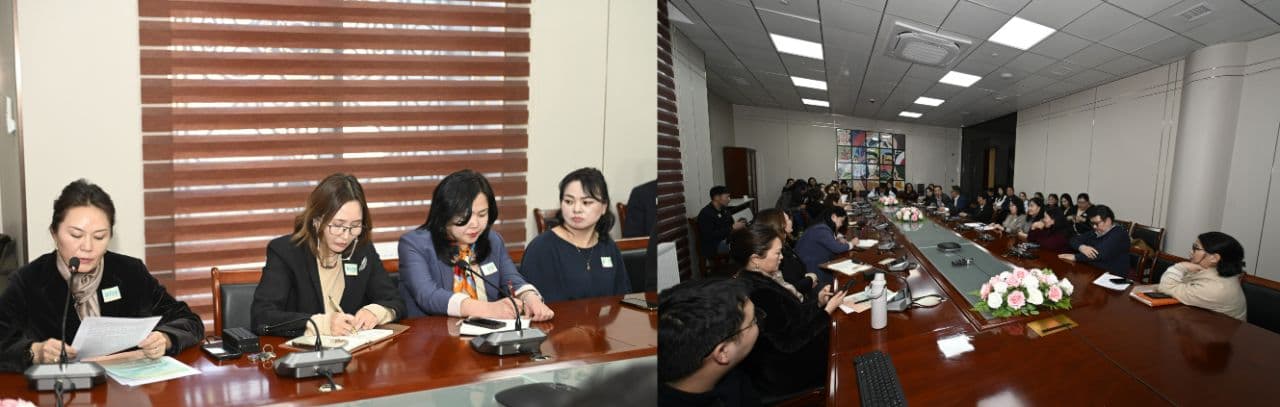
The meeting of all members of the National Committee of the International Council of Museums (ICOM) in Mongolia was held in the conference hall of the Chinggis Khaan National Museum, where they discussed the last year's activity and financial reports and elected the head of the committee (January 30, 2026).
The National Committee in Mongolia holds its elections every three years, and its chairpersons have included D. Tsedmaa, former Director of the Theatre Museum (2003–2019), and D. Bumaa, PhD (2019–2025) had served, and the committee's chair was elected by a majority vote of the members: D. Erdmaa, PhD, general manager of the Chinggis Khaan National Museum, to head the committee, and appointed its six board members.
- P. Baigalmaa (Director of the Fine Arts Zanabazar Museum)
- M. Munguntsetseg (Methodologist at the Center Methodological Studies, National Museum of Mongolia)
- S. Buyanjargal (Collection manager of the Chinggis Khaan National Museum)
- Sh. Enkhtuya (Cultural Heritage Researcher), M. Tsermaa (Specialist of the Culture, Tourism and Youth Department of Govisumber province)
- A. Ganganchimeg (Head of the Research and Studies Department, Military Museum of Mongolia)
The National Committee in Mongolia is one of ICOM's 120 national committees and has been operating continuously since 2003. By joining the International Museum Day activities, museum staff in Mongolia contribute to the implementation of the UN Sustainable Development Goals and gain access to international networks for cultural heritage and museum professionals.
For information, the International Council of Museums (ICOM) was founded in 1946 and, as of last year, has brought together 60410 museums and museum professionals from 139 countries and territories, making it the largest non-governmental organization for museums.
The International Council of Museums (ICOM) brings together museums and museum professionals, develops documents such as professional and ethical standards for museums and cultural heritage recommendations, supports the development of museum capacity, knowledge and skills of museum staff, protects cultural heritage, and expands cooperation between museums and museum professionals in different countries.