


The “Khans Road 2026” Event Begins at Burkhan Khaldun, a Sacred Site Revered by Every Mongolian
Since 2022, the Chinggis Khaan National Museum has organized the “Khans Road” event to research, promote, and support the preservation and protection of tangible and intangible heritage, as well as immovable monuments associated with the Khaans and nobility, connecting UNESCO-registered sites such as Burkhan Khaldun Mountain, Karakorum, and the Orkhon Valley Cultural Landscape.
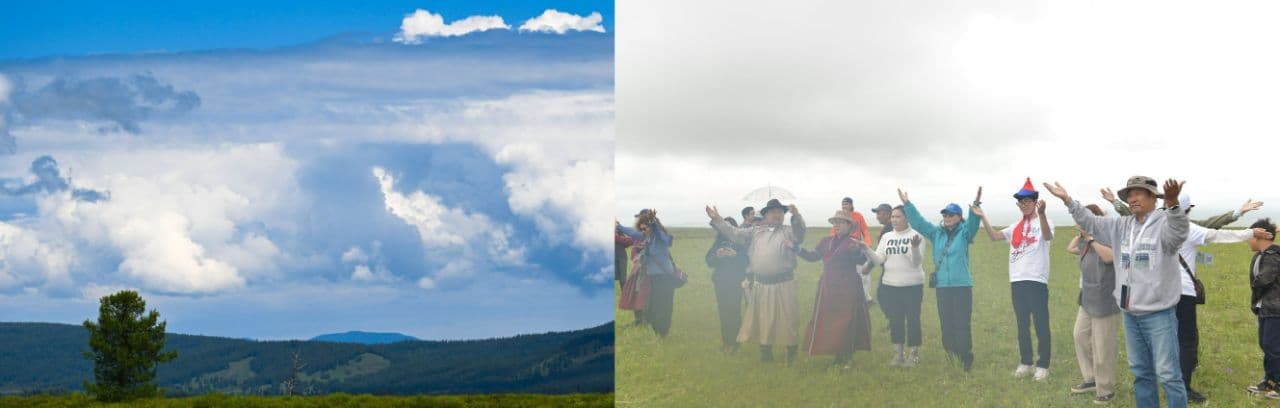
This year’s event takes participants through the ancestral homeland of Chinggis Khaan, including Burkhan Khaldun, the headwaters of the Kherlen River, and Tsagaan Aral. The program officially began with the “Sacred Sites of the Khans” opening ceremony on July 30, 2026, with opening remarks delivered by Academician S. Chuluun, Director of the Chinggis Khaan National Museum.
The event is being organized around the following key areas:
• Nomadic Culture and Education: At each destination, special events based on the local history and cultural heritage will be organized with the participation of local communities, introducing visitors to and promoting nomadic livelihoods and culture.
• Community-Based Tourism: Local residents directly participate in promoting cultural heritage, introducing traditional customs, and offering logistical services, ensuring the economic benefits of tourism effectively reach the community.
• Scientific Research and Field Studies: Mongolian and international scholars and researchers will participate in the project, conducting field research at historical sites, documenting findings, and providing professional assessments.
• Interactive and Educational Activities: Educational travel programs for tourists and younger generations including traditional printing/impression-making, calligraphy, and hands-on experiences with traditional daily life as well as competitions and activities, will be organized in natural settings to help pass cultural heritage on to future generations.
• Open-Air Exhibitions and Art Performances: Combining historical monuments with natural landscapes, these locations are transformed into open-air theatrical spaces. Activities include professional artistic performances by aimag and soum cultural centers, open-air painter exhibitions, and calligraphy demonstrations, presenting creative cultural products and services to travelers.
During the Yuan Dynasty, there are still traces of a special sacrificial temple established by Khamala, the grandson of Kublai Khan, for the worship of Burkhan Khaldun. These rituals were discontinued in 1937. In 1992, an area of approximately 12,000 square kilometers was designated as the Khan Khentii Strictly Protected Area and placed under state protection. In 1995, by presidential decree, Burkhan Khaldun Mountain was designated as a state-sacred mountain.
In 2015, at the UNESCO World Heritage Committee session in Bonn, Germany, it was inscribed on the World Cultural Heritage List under the name “Great Burkhan Khaldun Mountain and its surrounding Sacred Landscape.”